
Rising utility bills have a way of sneaking up on you. One month feels manageable, and the next you’re staring at a number that makes you rethink how you run your home. The truth is, energy efficiency isn’t just about buying new appliances or installing solar panels. It’s about the habits you build and the systems you maintain every day.
Most energy waste doesn’t come from dramatic mistakes. It comes from small inefficiencies: a system running harder than it should, unnoticed air leaks, neglected drainage, or equipment that hasn’t been inspected in years. When you shift your mindset from ”fix it when it breaks” to ”maintain it so it doesn’t,” your home becomes healthier, more comfortable, and far less expensive to operate.
The following strategies go beyond generic advice. They focus on practical, specific habits you can adopt to reduce waste, extend the life of your home’s systems, and lower your long-term costs.
Schedule Preventive Heating and Cooling Maintenance Before Peak Seasons
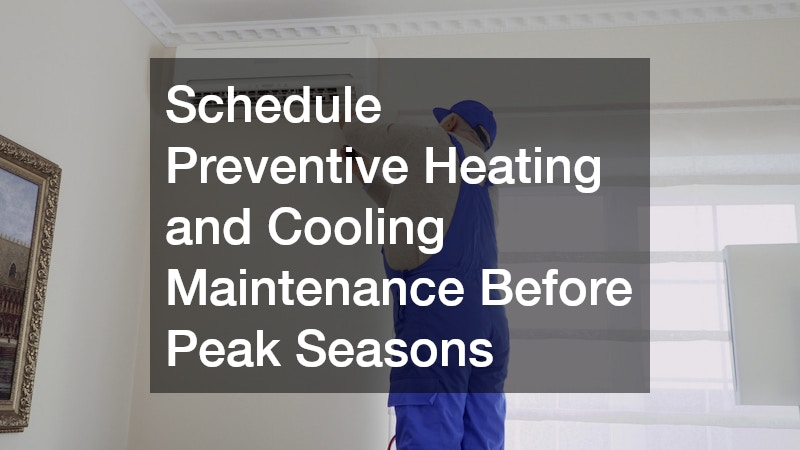
Heating and cooling account for a significant portion of household energy use. Yet many homeowners wait until something fails before calling for help. By then, the system has often been working inefficiently for months.
Think of your heating and cooling equipment like a car. You wouldn’t skip oil changes and expect peak performance. The same logic applies to scheduling regular HVAC service. A trained technician checks refrigerant levels, inspects electrical connections, tests airflow, and ensures components are clean and calibrated. Small adjustments during maintenance visits can prevent major spikes in energy consumption.
Before summer hits, an AC tune up is one of the simplest ways to protect both comfort and your wallet. During peak heat, your cooling system works harder and longer. If coils are dirty or filters are clogged, that workload increases even more. The result is higher electricity bills and a shorter equipment lifespan.
Adopting a seasonal maintenance rhythm helps:
- Schedule cooling system maintenance in early spring.
- Have your heating system inspected in early fall.
- Replace filters every one to three months.
- Keep outdoor units free of debris and overgrown plants.
These habits aren’t flashy. You won’t see them on social media. But they are among the most reliable ways to keep energy use steady and predictable year-round.
Seal Air Leaks And Improve Insulation For Immediate Savings
If you’ve ever felt a draft while sitting near a window in winter, you’ve experienced energy loss firsthand. Heated or cooled air escapes through tiny gaps, forcing your system to run longer to compensate.
Start by walking through your home on a windy day. Pay attention to:
- Window and door frames
- Electrical outlets on exterior walls
- Attic hatches
- Baseboards along exterior walls
Weatherstripping and caulking are inexpensive and accessible solutions. In many cases, a few hours of focused effort can noticeably improve comfort. If you want to go further, consider an energy audit. Professionals use thermal imaging to pinpoint areas of heat loss you can’t see with the naked eye.
Insulation also plays a major role. Attics, in particular, are common weak points. Without sufficient insulation, heat rises and escapes in winter while hot attic air radiates downward in summer. Upgrading attic insulation may not feel glamorous, but it’s one of the highest-return improvements available.
One homeowner described sealing their attic and adding insulation as ”turning down the noise” on their HVAC system. The house simply felt more stable. Fewer temperature swings. Less constant cycling. And that stability translates into measurable energy savings over time.
Maintain Drainage Systems To Prevent Water And Energy Waste
Water management and energy efficiency are more connected than most people realize. Excess moisture can degrade insulation, encourage mold growth, and force climate systems to work harder to maintain comfortable indoor conditions.
Take gutters, for example. When they clog with leaves and debris, rainwater can spill over and seep into walls or foundations. Moisture intrusion reduces insulation effectiveness and increases humidity inside the home. Higher humidity makes cooling systems run longer because humid air feels warmer than dry air.
Seasonal inspections matter. At minimum:
- Clear debris from gutters in spring and fall.
- Ensure downspouts direct water several feet away from the foundation.
- Check for sagging sections that trap standing water.
Indoor plumbing is equally important. Slow drains often signal a buildup that restricts water flow. Over time, this can escalate into larger blockages that waste water and increase the load on pumps and heaters. Routine drain cleaning prevents those inefficiencies from compounding.
When drainage systems function properly, your home stays drier. When it stays drier, insulation performs better. And when insulation performs better, heating and cooling systems operate more efficiently. It’s a chain reaction worth protecting.
Keep Your Heating System Running At Peak Efficiency
Few things are as frustrating as turning up the thermostat on a cold morning and feeling nothing happen. Beyond comfort, heating inefficiencies are costly.
Subtle warning signs often appear before a breakdown:
- Uneven heating between rooms
- Strange noises during startup
- Longer heating cycles
- Rising gas or electricity bills without explanation
Addressing minor issues early can prevent larger repairs. Prompt furnace repair, when needed, restores efficiency and reduces wasted fuel. Ignoring a struggling system often leads to higher energy consumption as components strain to compensate.
Homeowners can also adopt simple habits to support heating efficiency:
- Replace air filters regularly to maintain proper airflow.
- Keep vents unobstructed by furniture or rugs.
- Use a programmable thermostat to reduce heating during sleeping hours.
Heating systems that breathe easily and cycle properly use less energy. And the quieter, steadier operation often signals that everything is working as intended.
Protect Outdoor Systems That Support Your Home’s Efficiency

Not all energy-related systems live inside your walls. Some operate quietly outside, often overlooked until something fails.
If your home relies on a well pump, efficiency matters. An aging or malfunctioning pump can cycle too frequently, drawing more electricity than necessary. Monitoring pressure consistency and addressing unusual noises promptly helps maintain optimal performance. Even small leaks in connected plumbing can cause the pump to run more often, increasing energy use.
Landscaping choices also affect underground systems. Old tree stumps and aggressive root systems can interfere with pipes or drainage lines. Professional stump removal may seem like a purely aesthetic upgrade, but it can prevent structural and plumbing damage that leads to energy waste later.
Outdoor awareness is a habit. Periodically walk your property. Listen. Look. Notice changes. A proactive approach keeps small outdoor issues from turning into indoor inefficiencies.
Prevent Hidden Plumbing Issues That Drive Up Utility Costs
Some of the most expensive inefficiencies are invisible. Underground pipe obstructions and hidden clogs can increase water waste and strain systems designed to operate smoothly.
When drains slow repeatedly or multiple fixtures back up at once, it may indicate deeper blockages. In such cases, a professional rooter service can clear tree roots or debris from sewer lines before they cause major disruptions. Left unaddressed, these problems can force water systems to work harder and longer.
Recurring issues also point to the need for more consistent drain cleaning. Rather than waiting for a full blockage, scheduling preventative maintenance reduces buildup and improves water flow.
Hot water waste is another silent culprit. If showers take longer to warm up or pipes lose heat before reaching fixtures, you’re paying for energy you never use. Insulating accessible hot water lines and repairing leaks promptly prevents unnecessary consumption.
Hidden problems become expensive when ignored. A mindset of curiosity—investigating unusual sounds, smells, or performance changes—can save substantial energy over time.
Invest In Backup Power Solutions That Operate Efficiently

Power outages aren’t just inconvenient. They can disrupt heating, cooling, refrigeration, and essential medical devices. But not all backup systems are created equal.
A properly sized Generac generator provides reliable standby power without excessive fuel consumption. Oversized units may burn more fuel than necessary, while undersized models struggle under demand. Professional guidance ensures your backup system matches your household’s real needs.
Efficiency doesn’t stop at installation. Maintenance is key. Regular testing, fuel checks, and component inspections keep the system ready without wasting resources. Running brief monthly test cycles ensures reliability without significant fuel use.
Integrating backup power into an overall energy plan means considering what truly needs electricity during an outage. Prioritizing essential circuits reduces strain and conserves fuel. Preparedness and efficiency can coexist when systems are thoughtfully selected and maintained.
Improve Roofing And Ventilation To Stabilize Indoor Temperatures
Your roof does more than shield you from rain. It regulates heat transfer and supports proper ventilation throughout the home.
Inadequate ventilation traps heat in the attic, especially during summer. That trapped heat radiates downward, forcing cooling systems to compensate. Consulting experienced roofers about ventilation improvements can significantly reduce this burden. Ridge vents, soffit vents, and reflective roofing materials all contribute to a more balanced temperature profile.
Moisture control also matters. Poor ventilation allows condensation to accumulate, degrading insulation over time. When insulation loses effectiveness, heating and cooling costs rise.
Consider evaluating your attic on a hot day. If it feels excessively stifling, airflow may be insufficient. Improving ventilation is not merely a structural upgrade—it’s an energy-saving measure that stabilizes indoor comfort year-round.
Adopt Smart Water Heating And Usage Habits
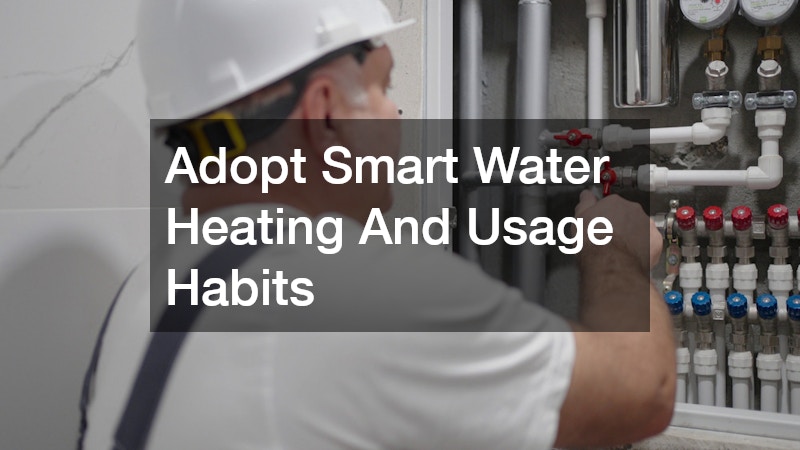
Water heating often ranks just behind heating and cooling in household energy consumption. Fortunately, modest adjustments can produce noticeable savings.
Lowering your water heater temperature to around 120 degrees Fahrenheit reduces energy use without sacrificing comfort. Many heaters are factory-set higher than necessary.
Behavior also plays a role. Shorter showers, washing clothes in cold water, and fixing dripping faucets limit unnecessary hot water consumption. Installing low-flow showerheads and faucet aerators further reduces demand without affecting usability.
Insulating your water heater tank and exposed hot water pipes minimizes heat loss between uses. The result is fewer frequent reheating cycles and steadier performance.
The key is awareness. Once you begin noticing how often hot water is used—and sometimes wasted—you’ll naturally adopt more efficient habits.
Build A Seasonal Energy Savings Checklist
Energy efficiency isn’t a one-time project. It’s a rhythm that shifts with the seasons.
In spring, focus on cooling system preparation, sealing new air leaks, and clearing exterior drainage paths. Summer calls for shading strategies, smart thermostat adjustments, and monitoring water use during lawn care.
Fall is ideal for heating inspections, insulation checks, and ensuring outdoor systems are protected from freezing temperatures. Winter encourages attention to indoor humidity control, filter changes, and reducing unnecessary heat loss.
Rather than relying on memory, create a recurring digital reminder or printed checklist. Small seasonal actions, taken consistently, prevent large energy spikes and expensive emergencies.
Over time, these habits feel less like chores and more like routine stewardship. Your home responds with steadier comfort, fewer breakdowns, and lower bills.
Monitor Utility Usage Patterns Year-Round

One of the most overlooked energy-saving habits is simply paying attention to patterns. Most homeowners don’t review their utility bills beyond the total amount due. But those monthly statements tell a story.
If your electricity usage jumps compared to the same month last year, something changed. If winter gas consumption creeps upward despite similar temperatures, your heating system may be losing efficiency. Small shifts often signal developing problems long before a breakdown occurs.
Start comparing month-to-month and year-over-year trends. Many utility providers offer online dashboards that break down daily usage. These tools help you connect behavior to consumption. You might notice spikes during extreme weather, after hosting guests, or during school breaks when more people are home. That awareness makes it easier to adjust habits intentionally.
Reduce Phantom Energy Throughout The Home
Another powerful habit is reducing phantom energy use. Devices plugged in 24/7—chargers, televisions, gaming consoles, coffee makers—draw small amounts of electricity even when idle. Individually, the impact seems minor. Collectively, it adds up over the course of a year.
Using smart power strips or unplugging infrequently used electronics reduces this steady drain. It’s a simple adjustment that requires very little effort once you build the habit.
Every home has unique challenges. Some struggle with drafts, others with aging systems or hidden plumbing issues. But the common thread among efficient households is intentional care.
Energy-saving habits don’t require perfection. They require consistency. A scheduled inspection. A cleared gutter. A sealed gap. A repaired component before failure. Each step compounds over time.
When you approach your home as a system—where water, air, insulation, and equipment all interact—you begin to see how small improvements ripple outward. The reward isn’t just lower utility bills. It’s a home that feels stable, prepared, and resilient in every season.