This article explores essential facts about paving that everyone should be aware of. Understanding these facts can help in making informed decisions when it comes to paving projects, whether for a driveway, parking lot, or any other surface. Paving is a significant investment, so it is crucial to be informed about the materials, longevity, and maintenance required.
Making well-informed decisions based on accurate information can save not only money but also time and effort in the long run. Read on to learn about the various aspects of paving that can help ensure long-lasting and functional surfaces.
What Types of Materials Are Used in Paving?
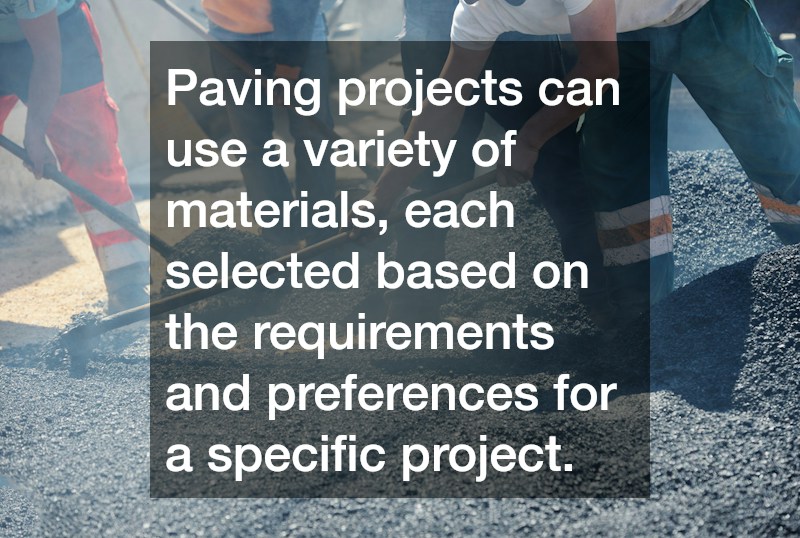
Paving projects can use a variety of materials, each selected based on the requirements and preferences for a specific project. Asphalt is a commonly used material due to its relatively low cost and ease of installation. Concrete, on the other hand, is renowned for its durability and ability to withstand substantial weight, making it ideal for heavily trafficked areas. Interlocking pavers are chosen for their aesthetic appeal and flexibility in design, often seen in patios and walkways. Each material brings its own advantages and considerations, ensuring that there’s a suitable option for every paving need.
One of the key considerations when selecting paving materials is the intended use of the surface. For instance, asphalt may be the best choice for roads and large parking spaces because of its cost-effectiveness and quick installation process. However, concrete would be a better option for areas that require higher durability and minimal maintenance over time. Additionally, interlocking pavers allow for creative designs and can be replaced individually if damaged. By evaluating the specific needs of the project, one can select the most appropriate material that balances cost, durability, and aesthetics.
Environmental factors also play a significant role in material selection. Some materials may perform better in certain climates, affecting their longevity and performance. For instance, asphalt can become soft in extreme heat, while concrete might crack in areas prone to temperature fluctuations. Furthermore, advancements in paving technologies are leading to more sustainable and environmentally friendly options, such as permeable pavers. This highlights the importance of keeping abreast with new developments in paving materials and choosing options that are both functional and environmentally responsible.
How Long Does a Paved Surface Last?
The lifespan of a paved surface largely depends on the material used, the quality of installation, and the level of maintenance it receives. Asphalt surfaces, for example, have a typical lifespan of 15-20 years and require regular maintenance to prevent water intrusion and surface wear. Concrete surfaces, known for their strength, can last up to 30 years if properly maintained. However, poorly installed or neglected surfaces are susceptible to premature failure, leading to increased repair costs. It is imperative to consider both upfront and long-term expenses when estimating the total cost of owning a paved surface.
Several factors influence the longevity of a paved surface, beyond just the type of material used. The quality of the subgrade foundation directly affects how well the surface can withstand stress and environmental challenges. Frequent use, heavy loads, and harsh weather conditions can all contribute to surface degradation over time. To maximize the lifespan of paved surfaces, it is essential to conduct regular inspections and to apply protective measures when necessary. Investing in proper installation and routine maintenance ensures that paved surfaces can endure their expected lifespan.
What Are the Maintenance Requirements for Paved Areas?
Regular maintenance is crucial for prolonging the life of a paved surface. One essential practice is sealing asphalt surfaces to protect them from moisture and UV damage, which can lead to cracks and potholes. Concrete surfaces might require resealing to prevent staining and to keep the surface clean and attractive. Routine cleaning and timely repair of any damage are critical in preventing small issues from escalating into significant problems. By adhering to these maintenance practices, the surface’s appearance and structural integrity are preserved for the long term.
In addition to sealing, regular inspections should be performed to identify any areas of concern. Promptly addressing issues such as cracks, drainage problems, and surface wear can prevent more extensive damage down the line. The implementation of a preventive maintenance schedule allows timely interventions to be carried out effectively. Regardless of the material used, ignoring maintenance leads to faster degradation and higher long-term costs. Taking a proactive approach to maintenance supports both the functionality and aesthetics of paved surfaces.
Knowing these three important facts about paving can enhance your understanding and facilitate better decision-making when undertaking paving projects. Proper materials, longevity expectations, and maintenance practices are integral to ensuring the durability and effectiveness of your paved surfaces. With careful planning and regular upkeep, a high-quality paved surface can provide decades of service. Being well-informed about these aspects of paving can lead to more successful projects and long-lasting results. Whether paving residential driveways or commercial parking lots, this knowledge is invaluable for achieving the best outcomes.