
Updating your home can be a rewarding endeavor, especially when these improvements also help in lowering your cooling costs. Enhancements tailored to boost energy efficiency not only make your living space more comfortable but also contribute to significant savings on your energy bills. This article delves into various strategies that can effectively reduce cooling costs while simultaneously upgrading your home.
Importance of Insulation Contractors
Commercial insulation contractors play a crucial role when it comes to maximizing energy efficiency in homes. Their process typically begins with a comprehensive assessment of your current insulation system, identifying gaps, weak points, and areas where energy loss is most significant. By recommending targeted upgrades or full replacements, they help create a more effective thermal barrier that reduces the need for excessive cooling.
Beyond installation, these professionals bring a deep understanding of building science—how heat, air, and moisture interact within a home. This allows them to implement solutions that not only improve insulation but also prevent common issues such as condensation, uneven temperatures, and mold growth. Their expertise ensures that your home meets modern efficiency standards while maintaining structural integrity.
Utilizing high-quality insulation materials is critical for maintaining a stable indoor temperature. Contractors often prioritize eco-friendly and high-performance options that deliver superior thermal resistance and long-term durability. As a result, homeowners benefit from lower energy bills, improved comfort, and a reduced environmental footprint.
Furthermore, these contractors can provide tailored recommendations that go beyond insulation, such as sealing air leaks or improving ventilation. Their holistic approach ensures your home operates as an efficient system rather than a collection of separate components. With their guidance, you can achieve consistent indoor comfort while minimizing reliance on air conditioning.
Advantages of Hiring Spray Foam Insulation

Choosing a local spray foam insulation contractor offers several advantages, particularly when it comes to addressing region-specific climate challenges. Spray foam insulation is widely recognized for its high R-value and ability to expand into small cracks and gaps, creating an airtight seal. This dramatically reduces air leakage, one of the leading causes of energy inefficiency in homes.
Local contractors bring valuable insight into how weather patterns, humidity levels, and seasonal temperature swings affect insulation performance. This knowledge allows them to tailor solutions that are specifically designed to withstand local conditions, ensuring long-lasting effectiveness. As a result, homeowners enjoy more stable indoor temperatures and reduced cooling demands throughout the year.
In addition to energy efficiency, spray foam insulation contributes to a healthier living environment. Sealing out moisture and airborne pollutants, it helps prevent mold growth and reduces allergens circulating within the home. This makes it particularly beneficial for households concerned with indoor air quality.
The installation process is relatively quick and minimally disruptive, making it an appealing option for both new construction and retrofitting older homes. Local contractors often emphasize quality workmanship and ongoing customer support, ensuring that the insulation performs as intended over time. This investment not only lowers energy costs but also enhances property value and overall home performance.
Enhancing Home Efficiency From the Top
Proper attic insulation is one of the most impactful upgrades for improving a home’s energy efficiency. Since heat naturally rises, the attic becomes a primary entry point for unwanted heat during the summer months. Without sufficient insulation, this heat can easily seep into living areas, forcing air conditioning systems to work harder and increasing energy consumption.
By upgrading attic insulation, homeowners create a strong barrier that limits heat transfer and maintains a more consistent indoor temperature. This reduces the strain on HVAC systems, leading to lower utility bills and improved comfort. The benefits are especially noticeable during extreme weather conditions when cooling demands are at their highest.
There are several insulation materials available, including fiberglass, cellulose, and spray foam, each offering unique advantages in terms of cost, performance, and installation. A professional assessment ensures the right material and thickness are selected based on your home’s structure and climate. This customized approach maximizes efficiency and long-term performance.
In addition to energy savings, proper attic insulation helps protect the home’s structure. It minimizes temperature fluctuations that can cause expansion and contraction, reducing wear on building materials. It also helps prevent moisture buildup, which can lead to mold or structural damage. Investing in attic insulation is a foundational step toward a more comfortable, durable, and energy-efficient home.
Quality Assurance With Regular HVAC Maintenance

Regular HVAC services are essential for maintaining an efficient and reliable cooling system. Routine maintenance includes inspecting system components, cleaning coils and filters, checking refrigerant levels, and ensuring all parts are functioning correctly. These preventative measures help identify potential issues early, reducing the risk of unexpected breakdowns.
One of the biggest benefits of consistent maintenance is improved energy efficiency. A clean and properly functioning HVAC system requires less energy to cool your home, which directly translates into lower utility bills. Additionally, regular servicing helps maintain consistent airflow and temperature distribution, enhancing overall comfort.
HVAC professionals can also recommend system upgrades that improve performance, such as energy-efficient units or smart thermostats. These enhancements allow for more precise temperature control and better energy management. By combining routine maintenance with modern technology, homeowners can significantly reduce cooling costs while extending the lifespan of their equipment.
Timely Repairs for Lower Energy Bills
Addressing AC repairs promptly is essential for keeping energy costs under control and maintaining a comfortable indoor environment. Over time, even small issues—such as clogged filters, worn components, or refrigerant leaks—can reduce system efficiency. When left unresolved, these problems force the unit to work harder, leading to higher energy consumption.
Timely repairs restore your system’s efficiency and prevent minor issues from escalating into major, costly failures. By acting quickly, homeowners can avoid unexpected breakdowns during peak summer months, when cooling systems are under the most stress. This proactive approach ensures consistent performance and reliability.
In addition to cost savings, prompt repairs extend the lifespan of your air conditioning system. Professional technicians can diagnose issues accurately and implement effective solutions, preserving the integrity of your equipment. Keeping your AC system in optimal condition is a key factor in achieving long-term energy efficiency and comfort.
The Understated Role of Air Duct Cleaning
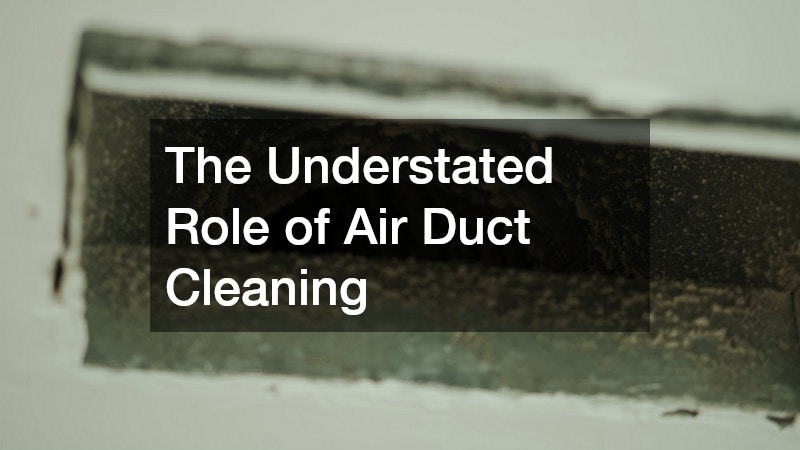
Air duct cleaning companies play a vital role in maintaining efficient airflow throughout your home. Over time, dust, debris, and allergens accumulate within ductwork, restricting airflow and reducing the effectiveness of your cooling system. Regular cleaning removes these obstructions, allowing air to circulate freely and evenly.
Improved airflow reduces the workload on your HVAC system, leading to lower energy consumption and improved efficiency. Clean ducts also enhance indoor air quality by preventing the circulation of pollutants, which is especially important for households with allergies or respiratory concerns.
Additionally, professional duct cleaning can reveal underlying issues such as leaks, poor connections, or inadequate insulation within the duct system. Addressing these problems further improves performance and prevents energy loss. By maintaining clean and well-functioning ducts, homeowners can enjoy a healthier living environment and a more efficient cooling system overall.
Simple Fans With a Big Effect
A ceiling fan installer can provide assistance in leveraging ceiling fans to their full cooling potential. Proper installation and positioning of ceiling fans create a more uniform airflow, making spaces feel cooler without relying solely on air conditioning. Ceiling fans can help evenly distribute cooled air, enhancing a room’s overall comfort while saving energy.
Professional installation ensures that ceiling fans are securely mounted and electrical systems are safely integrated, preventing common issues like wobbling or noise. Moreover, installing fans with reversible controls allows homeowners to adjust air circulation according to seasonal needs. This flexibility makes ceiling fans a valuable and cost-effective addition to any cooling strategy.
Additionally, ceiling fan installers can recommend energy-efficient fan models that complement your home’s decor. Using fans strategically during warm months can lead to significant savings in energy usage, as they enable air conditioning systems to operate at higher thermostat settings. By utilizing skilled installers, homeowners maximize the benefits of both cooling and aesthetics. Optimal Use of Motorized Shades for Cooling Efficiency
Motorized shades are increasingly popular for their ability to enhance home cooling efficiency while adding a layer of modern convenience. These systems go beyond basic window coverings by offering programmable settings that automatically respond to sunlight patterns throughout the day. By closing during peak heat hours and opening when sunlight is less intense, they help regulate indoor temperatures without constant manual adjustment.
When integrated into a broader energy strategy, motorized shades can deliver noticeable cost savings over time. By reducing reliance on air conditioning and maintaining more stable indoor temperatures, they help create a comfortable, efficient, and visually appealing home environment.
Strategic Implementation of Window Shades and Tints
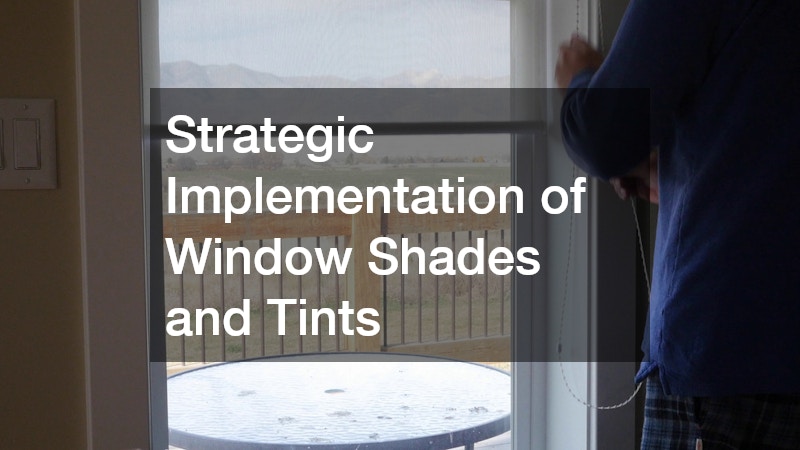
Window treatments play a critical role in managing indoor temperatures, yet they are often overlooked as a tool for energy efficiency. Beyond aesthetics, the right treatments can significantly reduce heat transfer, making it easier to maintain a cool and comfortable home during warmer months. Options such as blackout curtains, cellular shades, and reflective films are specifically designed to block or deflect sunlight, minimizing heat buildup indoors.
The effectiveness of window treatments depends largely on choosing the right type for each space. For instance, reflective or light-colored materials are ideal for rooms with high sun exposure, as they bounce heat away rather than absorbing it. Meanwhile, layered treatments—such as combining blinds with curtains—offer flexibility, allowing homeowners to adjust light and insulation levels throughout the day.
Seasonal adaptability is another key advantage. During summer, lighter and reflective treatments help keep interiors cool, while in winter, heavier drapes can provide added insulation and warmth. This year-round versatility makes window treatments a cost-effective solution for maintaining a balanced indoor climate.
Professional guidance can further enhance results by ensuring proper fit, placement, and material selection. Well-chosen window treatments not only improve energy efficiency but also elevate the overall look and feel of your home. By combining practicality with design, they become an integral part of a comprehensive cooling strategy.
Cooling Contribution of Trees
Tree companies play an essential role in natural home cooling by helping homeowners design and maintain landscapes that reduce heat exposure. Strategically planted trees provide shade that blocks direct sunlight from hitting roofs, walls, and windows, significantly lowering the amount of heat absorbed by the home. This natural cooling effect can reduce indoor temperatures and lessen the need for air conditioning.
The placement and type of trees are critical to maximizing their benefits. Deciduous trees, for example, offer shade during the summer while allowing sunlight to pass through in the winter when their leaves fall. Tree professionals can assess your property and recommend ideal planting locations, such as near windows, patios, or on the sunniest side of the home, to achieve optimal results.
In addition to shading, trees help cool the surrounding air through a process called evapotranspiration, where moisture released from leaves lowers ambient temperatures. They also act as windbreaks, reducing the impact of hot winds that can increase cooling demands. These combined effects create a more comfortable microclimate around your home.
Ongoing maintenance is just as important as initial placement. Regular pruning, health assessments, and disease prevention ensure that trees remain effective and safe over time. By working with experienced tree companies, homeowners can create a sustainable, energy-efficient landscape that enhances both comfort and curb appeal.
Achieving an energy-efficient home requires a combination of smart technology, thoughtful design, and strategic use of natural resources. From motorized shades and carefully selected window treatments to the cooling power of well-placed trees, each element contributes to reducing heat gain and lowering energy consumption. When these solutions are implemented together, they create a comprehensive approach to managing indoor temperatures effectively.
Beyond immediate cost savings, these improvements enhance overall comfort and livability. A home that stays naturally cooler requires less reliance on mechanical systems, resulting in quieter operation, improved air quality, and a more enjoyable indoor environment. The added aesthetic value—from stylish window treatments to beautifully landscaped surroundings—further elevates the appeal of your living space.
Investing in these cooling strategies also supports long-term sustainability. By reducing energy usage and leveraging natural solutions, homeowners can minimize their environmental impact while increasing property value. Ultimately, a well-planned approach to cooling transforms your home into a space that is not only efficient but also comfortable, attractive, and built for the future.